
Build it
Build it
Development finance
Ground-up, conversion and part-built schemes, from site purchase to exit.
See all →
Development finance
Which cap binds, loan to cost or loan to GDV, and the real day-one equity.
Build to Rent development
Underwritten on stabilised yield and DSCR, not sales rate.
Mezzanine and stretched senior
The gap between senior LTC and what you can fund, and the true blended cost.
Heavy refurbishment and conversion
Where refurbishment stops being a bridge: structure, change of use, drawdowns.
Part-built and rescue finance
Valuing an unfinished asset when the contractor has gone.
Bridge it
Bridge it
Bridging finance
Short-term debt where the deadline, the asset or the exit will not wait.
See all →
Purchase bridge
Completing before the money is in place: chain breaks, tight deadlines, unmortgageable stock.
Development exit finance
Off development debt at a lower rate, to buy sales time and release equity.
Auction finance
A 28-day clock, and what must be in place before the hammer falls.
Pre-planning and planning gain
Lending against current value with planning upside.
Below market value purchase
Day-one lending against open market value rather than price.
Second charge and capital raising
Raising against existing assets, and first-charge consent.
Light refurbishment finance
Bridge plus refurb tranche, and where the development boundary sits.
Also structuredBridge to let and refinance
Hold it
Hold it
Mortgages and term finance
Long-term debt against income, once the asset is built, let or trading.
See all →
Buy to let mortgages
ICR stress testing, limited company against personal, portfolio rules.
HMO mortgages
A higher cover test, licensing, and the two valuations a lender takes the lower of.
Commercial term, investment
Tenant covenant and lease term, and why DSCR sets the loan.
Commercial term, owner-occupier
Trading accounts and EBITDA rather than rent roll.
Portfolio refinance
Cross-collateralisation, and one facility against individual loans.
Stabilisation and term refinance
The income test replacing the GDV test, and the letting void before term debt engages.
Co-living and PBSA
An operational asset valued on income, and the operator covenant.
Run it
Run it
Business finance
Funding the business behind the property, secured on the ledger, the equipment or the covenant.
See all →
How we work
Case studies
Articles
Tools
Development finance calculator
Size the facility against site cost, build cost and GDV.
Development exit calculator
Refinance the development facility and release equity at PC.
Bridging finance calculator
What a bridge costs, and what actually clears on day one.
Refurbishment finance calculator
Fund the purchase and 100% of the works, with interest rolled to exit.
BTL rental cover calculator
The rent a buy to let must achieve to clear a lender's cover test.
Commercial mortgage calculator
What a commercial property's income will support, and what it costs.
About
Enquire now

Three of our four pillars are secured on property and differ only in how long the money is needed for. This one is not. Invoice finance is secured on your sales ledger, asset finance on the equipment it buys, and an unsecured loan on the trading covenant and the people behind it. No charge over a building in any of them.
That changes who underwrites it and what they look at. A property lender reads a valuation. A business lender reads your accounts, your bank statements and your aged debtor report, and forms a view on whether the business can carry the debt out of what it earns.
Most developers meet these facilities the same way: a contract that pays in sixty days, a machine that has to be bought this month, or a tax bill that lands before the scheme completes. The requirement is real and there is nothing to secure it on, which is exactly the gap these products exist to fill.
Secured on the business, not the building
Which means it does not touch your development facility, your bridge or the charges already sitting over your sites. That separation is usually the point.
The cheapest security you already have
An unpaid ledger or equipment owned outright are both borrowable. Taking unsecured money against a business that could have borrowed against either is an expensive default, so we check that order first.
The guarantee position, stated early
Unsecured rarely means unguaranteed. Who is being asked, capped at what, and whether anything is charged against a home are terms rather than fixed conditions, and much easier to negotiate before an offer than after one.
Sized on what it returns
Serviceability is tested against your trading, and the largest facility on offer is rarely the right one. The question is what the money earns, not what a lender will advance.
What we arrange
Every product under Run it, in one place.



Which lenders play here
Bank owned and independent invoice financiers, a deep asset finance market including manufacturer backed schemes, and challenger and specialist business lenders for unsecured facilities.
Ledger
What invoice finance is sized on
The asset
What asset finance is secured on
Covenant
What unsecured lending is priced off
None
Property security required
Indicative, and not an offer. What a lender will actually do depends on the business, its accounts and the lender's credit assessment.
What to have ready
Bring these and we can tell you where you stand.
Not a formality. Each one is something a lender will ask for, and having it early is the difference between a fast answer and a slow one.
✓Filed accounts, plus current management figures
✓Six to twelve months of business bank statements
✓An aged debtor report, if the ledger is part of the picture
✓What the money is for, specifically, and what it returns
✓Existing borrowing, and anything already secured or guaranteed
✓Who is prepared to give a personal guarantee
Related work
Schemes we funded in this space.

Specialist Finance
Development Loan Secured Against Existing Assets, Northamptonshire
£960k loan · Northamptonshire
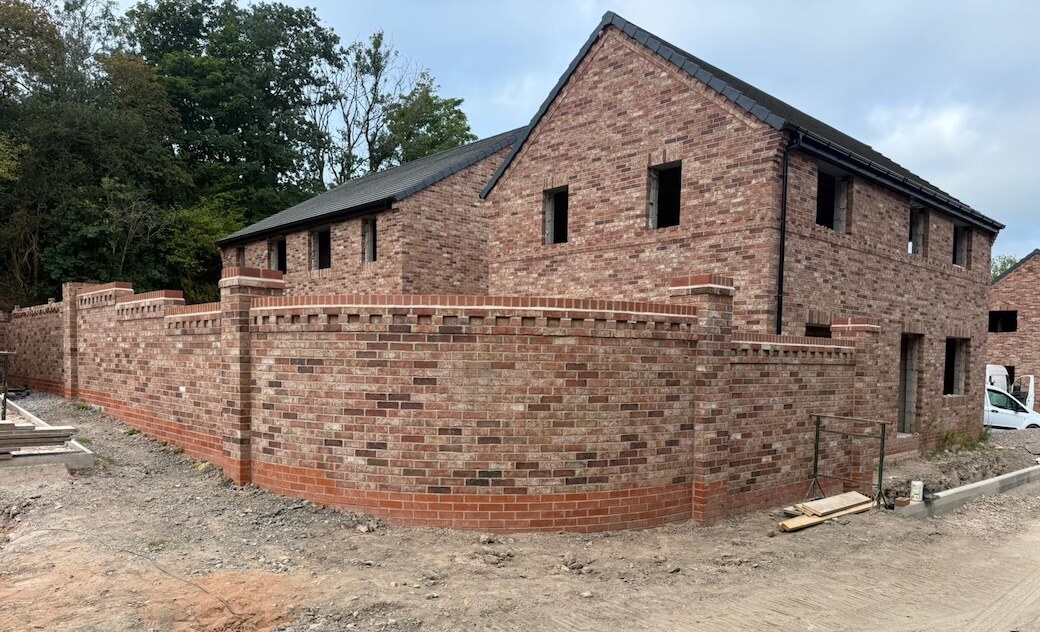
Specialist Finance
North Wales Development + North London Refurbishment
c.£5m GDV · North Wales and London
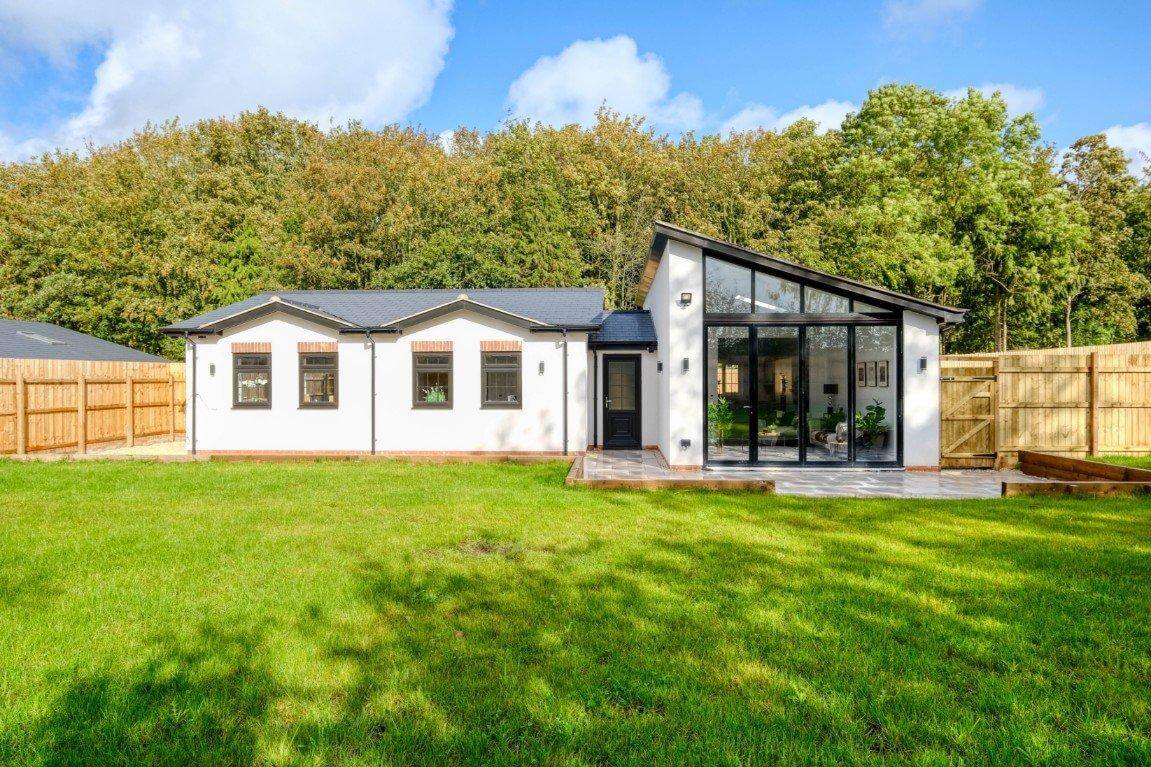
Debt Advisory
Development Exit Bridge for Woodland Mews, West Midlands
£1.7m loan · West Midlands
Where does yours sit?
Send us what you have. We will tell you what is fundable and what needs work first.
Specialist property finance for developers who want the numbers to survive underwriting.
020 4572 4266LinkedIn
Fundingwise Limited is not authorised or regulated by the Financial Conduct Authority, and arranges unregulated finance only. That means lending secured against commercial property, or against residential property that is not, and will not be, occupied by the borrower or an immediate family member as a main residence. We do not advise on or arrange regulated mortgage contracts or regulated bridging loans. Because this finance is unregulated, FCA conduct rules and access to the Financial Ombudsman Service do not apply. Fundingwise Limited is registered in England and Wales, company number 13750788.