
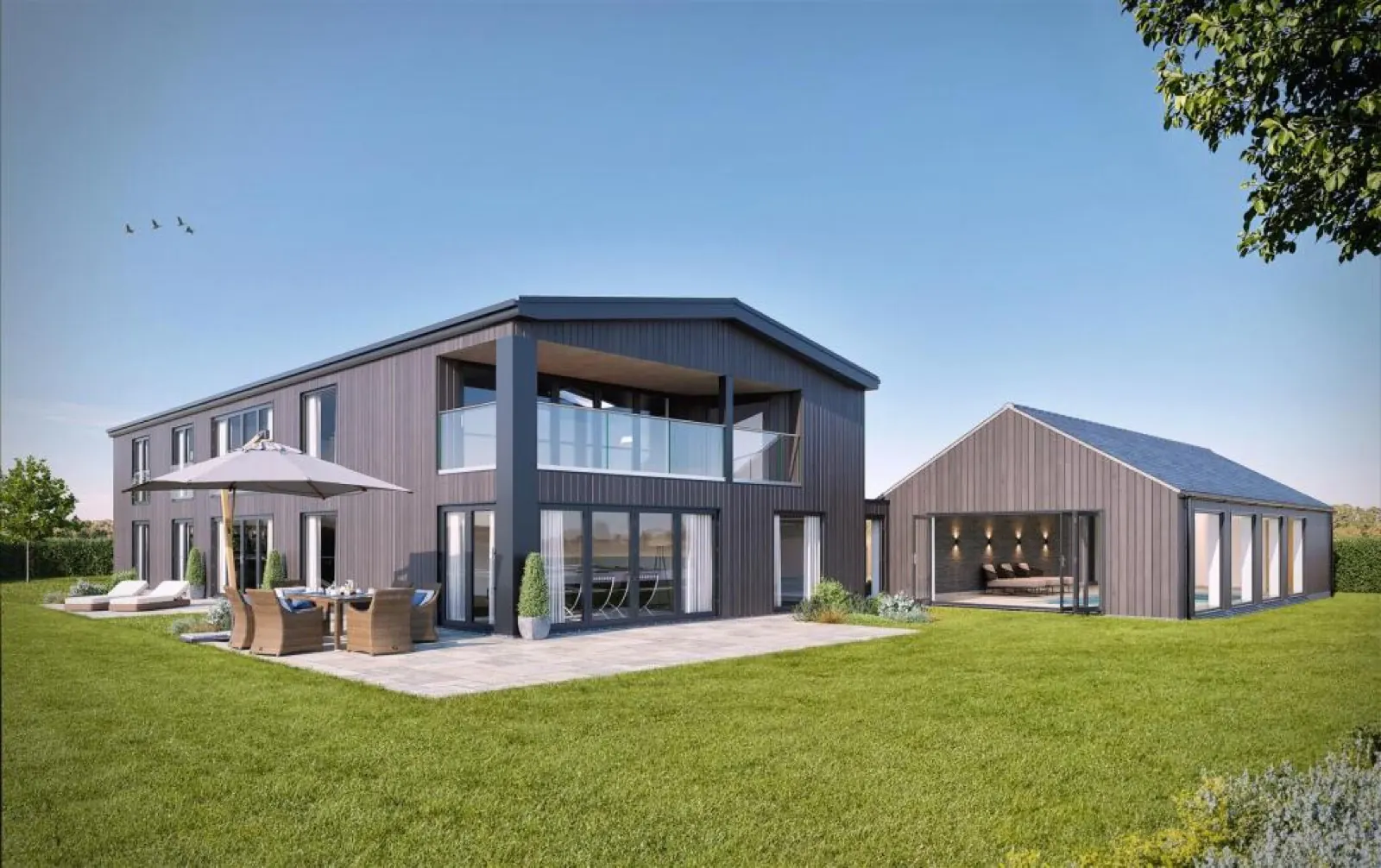
The Project
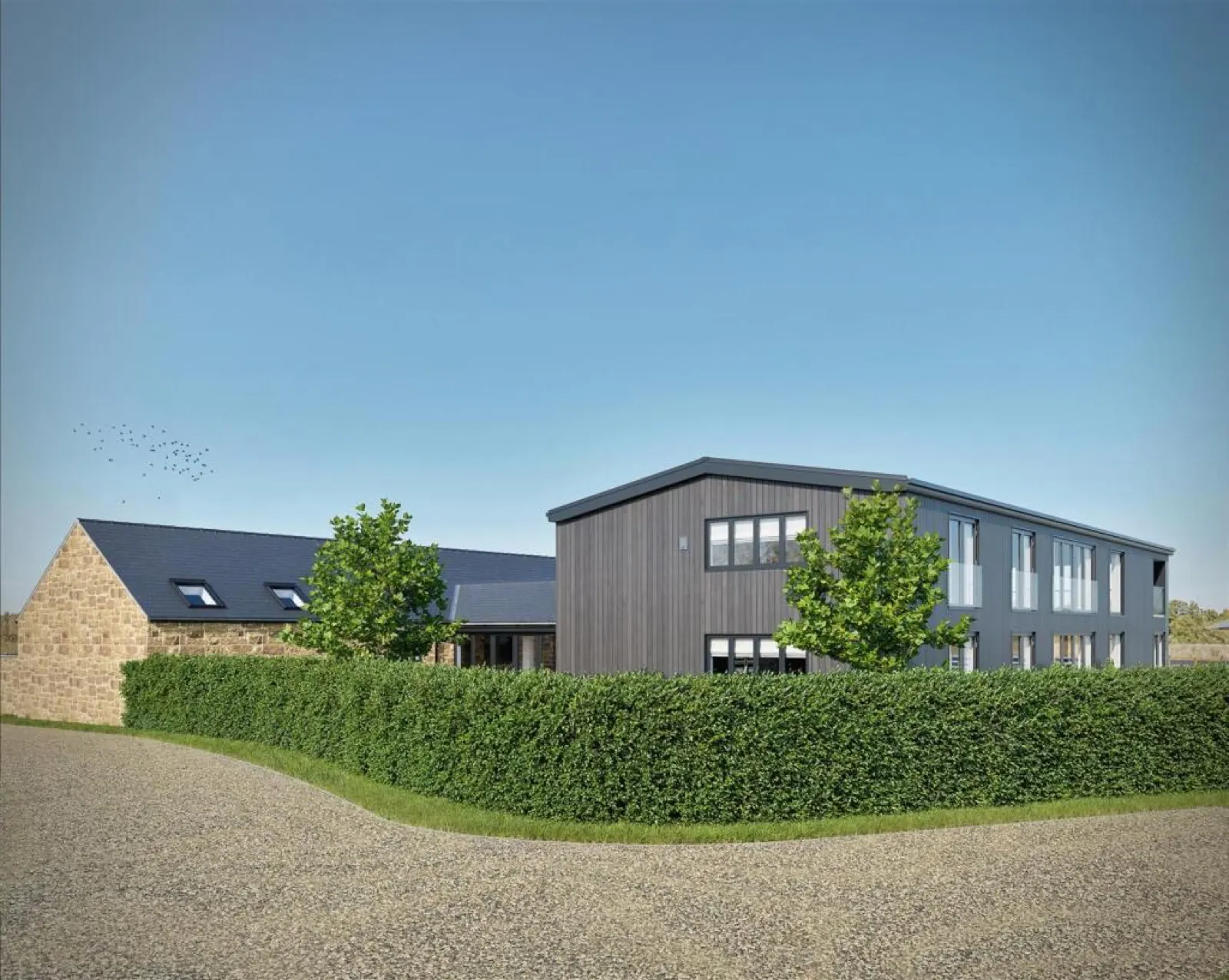
A detached barn conversion of roughly 5,500 square feet on the edge of the Althorp Estate, five bedrooms and a one bedroom annex, with consent already in place for an indoor pool, sauna and steam room. The finished house is on the market at a guide price of £2m.
The borrower was not short of assets. He was short of the right kind of borrowing against them.
The Challenges
Most development lending only looks at the site
A standard development facility sizes off the scheme in front of it: the land, the build cost and the end value. That is fine when the site carries the whole picture, and unhelpful when the borrower's balance sheet sits mostly elsewhere. Sized on the barn alone, the day one money was thin and the client would have been funding the early works himself while holding equity he could not reach.
A conversion draws differently to a new build
Barn conversions front-load. Structural work, the roof, the frame, the glazing package all land early, and the valuer's uplift arrives later. A drawdown schedule shaped for a new build leaves the borrower cash-hungry in exactly the months a conversion is most expensive.
The Solution
We structured it as a hybrid rather than a straight development loan. The bridge element took security across the borrower's other assets, which is what generated the £265,000 on day one. The development element then funded the build through £632,000 of staged drawdowns across a 15-month term.
The point of the split is timing. The day one money is not sized off the barn, so it is not held back waiting for the barn to be worth something. It arrives when the borrower needs it, and the staged element behaves like development finance from there.
Getting a lender comfortable with that meant presenting the asset base and the scheme as one position rather than two applications, so the security was underwritten together.
“If a borrower has assets, the site is not the only thing we can lend against. Sizing this one off the barn alone would have left him funding the first few months himself, and there was no reason for that.”
Matt Underhill, Fundingwise DirectorThe Result
The client started on site with £265,000 already drawn, and the build was funded through to completion without him putting the early works on his own cash.
- £960k gross facility across a 15-month term
- £265,000 released on day one, against the wider asset base rather than the site
- £632,000 in staged drawdowns matched to a conversion programme, not a new build one
- Equity unlocked from assets the borrower already held
Ready to talk?