
Build it
Build it
Development finance
Ground-up, conversion and part-built schemes, from site purchase to exit.
See all →
Development finance
Which cap binds, loan to cost or loan to GDV, and the real day-one equity.
Build to Rent development
Underwritten on stabilised yield and DSCR, not sales rate.
Mezzanine and stretched senior
The gap between senior LTC and what you can fund, and the true blended cost.
Heavy refurbishment and conversion
Where refurbishment stops being a bridge: structure, change of use, drawdowns.
Part-built and rescue finance
Valuing an unfinished asset when the contractor has gone.
Bridge it
Bridge it
Bridging finance
Short-term debt where the deadline, the asset or the exit will not wait.
See all →
Purchase bridge
Completing before the money is in place: chain breaks, tight deadlines, unmortgageable stock.
Development exit finance
Off development debt at a lower rate, to buy sales time and release equity.
Auction finance
A 28-day clock, and what must be in place before the hammer falls.
Pre-planning and planning gain
Lending against current value with planning upside.
Below market value purchase
Day-one lending against open market value rather than price.
Second charge and capital raising
Raising against existing assets, and first-charge consent.
Light refurbishment finance
Bridge plus refurb tranche, and where the development boundary sits.
Also structuredBridge to let and refinance
Hold it
Hold it
Mortgages and term finance
Long-term debt against income, once the asset is built, let or trading.
See all →
Buy to let mortgages
ICR stress testing, limited company against personal, portfolio rules.
HMO mortgages
A higher cover test, licensing, and the two valuations a lender takes the lower of.
Commercial term, investment
Tenant covenant and lease term, and why DSCR sets the loan.
Commercial term, owner-occupier
Trading accounts and EBITDA rather than rent roll.
Portfolio refinance
Cross-collateralisation, and one facility against individual loans.
Stabilisation and term refinance
The income test replacing the GDV test, and the letting void before term debt engages.
Co-living and PBSA
An operational asset valued on income, and the operator covenant.
Run it
Run it
Business finance
Funding the business behind the property, secured on the ledger, the equipment or the covenant.
See all →
How we work
Case studies
Articles
Tools
Development finance calculator
Size the facility against site cost, build cost and GDV.
Development exit calculator
Refinance the development facility and release equity at PC.
Bridging finance calculator
What a bridge costs, and what actually clears on day one.
Refurbishment finance calculator
Fund the purchase and 100% of the works, with interest rolled to exit.
BTL rental cover calculator
The rent a buy to let must achieve to clear a lender's cover test.
Commercial mortgage calculator
What a commercial property's income will support, and what it costs.
About
Enquire now
Build it › Part-built and rescue finance
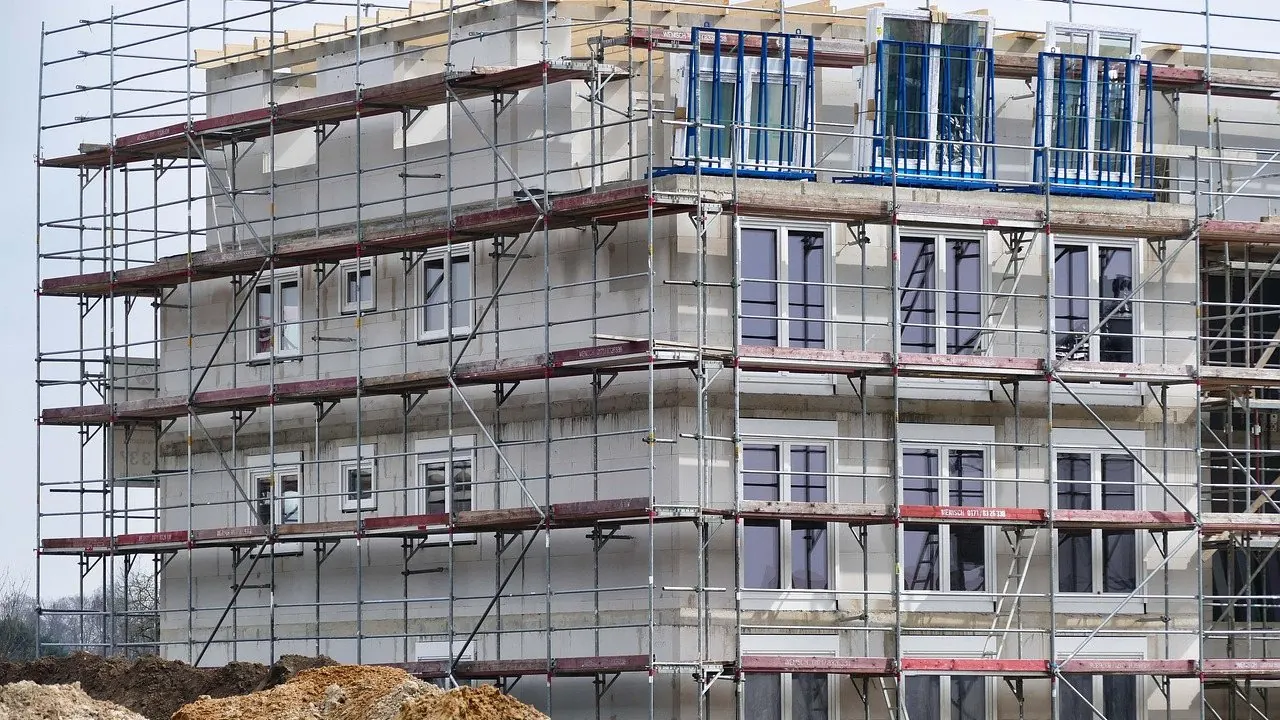
A part-built scheme is a harder credit than either a bare site or a finished building. The security is a partly complete structure with no independent value, the cost to complete is uncertain until someone measures it, and the incoming lender inherits whatever the outgoing one was unhappy about.
How far through the build you are changes the product entirely. A scheme that is wind and watertight, structurally 80% or more complete, roofed and at first fix or beyond, reaches finish and exit finance at sensible pricing. A scheme with foundations and a steel frame does not, and needs a development lender willing to take the whole remaining programme.
Pricing reflects that. Rescue facilities are priced case by case, because there is no rate card for a situation that has no standard shape. Leverage is usually up to 70% of current value or 65% of end value, whichever binds, and the story matters as much as the numbers.
An independent cost to complete
A quantity surveyor's measure of what is actually left, not the previous contractor's estimate. It is the number the whole facility is sized on, and getting it independently is the fastest way to make the case credible.
The reason the last facility stopped
A lender will find out, so it is better told than discovered. A main contractor insolvency, a cost overrun and a dispute are three different risks with three different answers, and only one of them is about you.
Speed weighed against price
In a rescue the cost of another month is usually larger than the difference between a good rate and an excellent one. We say so plainly rather than optimising the headline while the site stands still.
Title, retentions and the contractor position
Unpaid subcontractors, retention, materials on site and any charge or notice already registered all have to be resolved before a new facility can draw. That work is usually what sets the real timetable.
Which lenders play here
Specialist development lenders and a small group of bridging lenders with a genuine part-built appetite. Most mainstream lenders decline on sight, so the value is in knowing which ones do not, and approaching them with the cost to complete already measured.
QS
Independent cost to complete
70%
Max LTV, current value
65%
Max LTGDV at completion
80%
Complete, for finish and exit
Indicative, and not an offer. What a lender will actually do depends on the scheme, the borrower and a full valuation.
What to have ready
Bring these and we can tell you where you stand.
Each one is something a lender will ask for. Having it early is the difference between a fast answer and a slow one.
✓An independent cost to complete, ideally from a QS
✓The existing facility: balance, expiry, and what triggered the problem
✓Current valuation in its part-built state, and end value with evidence
✓The contractor position: who is on site, who is owed, what is retained
✓Planning consent and building control record to date
✓Programme to completion, and your exit once it is finished
Related case study
£5m GDV North Wales Development + North London Refurbishment
Related
Worth reading on this

Article
Mezzanine Finance: Bridging the Equity Gap on Your Next Development

Article
Free Development Finance Calculator & Loan Appraisal Guide

Article
How to Fund a Build to Rent Development Finance Scheme
Next
Related in this pillar.
Development finance
Which cap binds, loan to cost or loan to GDV, and the real day-one equity.
Mezzanine and stretched senior
The gap between senior LTC and what you can fund, and the true blended cost.
Heavy refurbishment and conversion
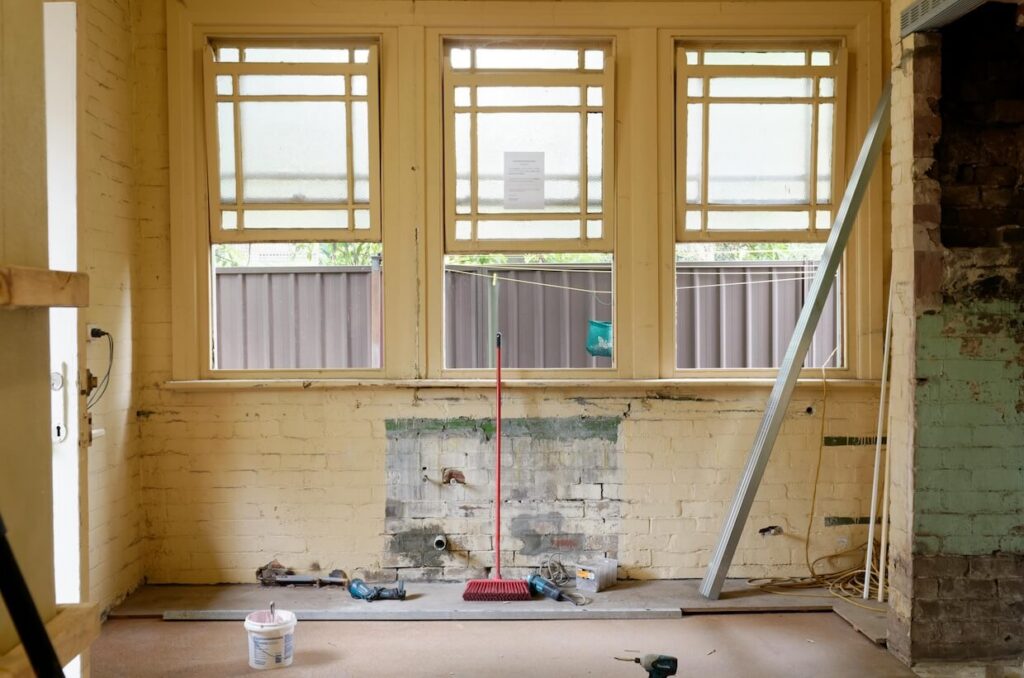
Where refurbishment stops being a bridge: structure, change of use, drawdowns.
Common questions
The questions this product raises.
My development is part built and the facility will not cover the rest. What are my options?
It depends how far through you are. A scheme that is wind and watertight, roofed and around 80% or more complete can usually move to finish and exit finance at sensible pricing. A scheme at foundations or frame needs a development lender willing to take on the whole remaining programme. Either way, start with an independent cost to complete, because the new facility is sized on it.
How much will a lender advance on a part-built scheme?
Usually up to 70% of current value or 65% of end value, whichever binds. A partly built structure has little value on its own, so the lender leans heavily on the measured cost to complete and on why the scheme stalled. The story matters as much as the numbers.
Why does a new lender want to know why the last facility stopped?
Because the reason is the risk. A main contractor going bust, a cost overrun and a dispute are three different problems with three different answers, and only one of them is about you. The lender will find out anyway, so tell them first.
What has to be sorted before a rescue facility can draw?
Unpaid subcontractors, retentions, materials on site and any charge or notice already registered against the title. That work usually sets the real timetable. In a rescue, another month standing still often costs more than the gap between a good rate and an excellent one, so speed can be worth paying for.
Bring us the detail.
Send what you have. We will tell you what is fundable and what needs work before anyone approaches a lender.
Specialist property finance for developers who want the numbers to survive underwriting.
020 4572 4266LinkedIn
Fundingwise Limited is not authorised or regulated by the Financial Conduct Authority, and arranges unregulated finance only. That means lending secured against commercial property, or against residential property that is not, and will not be, occupied by the borrower or an immediate family member as a main residence. We do not advise on or arrange regulated mortgage contracts or regulated bridging loans. Because this finance is unregulated, FCA conduct rules and access to the Financial Ombudsman Service do not apply. Fundingwise Limited is registered in England and Wales, company number 13750788.