
Build it
Build it
Development finance
Ground-up, conversion and part-built schemes, from site purchase to exit.
See all →
Development finance
Which cap binds, loan to cost or loan to GDV, and the real day-one equity.
Build to Rent development
Underwritten on stabilised yield and DSCR, not sales rate.
Mezzanine and stretched senior
The gap between senior LTC and what you can fund, and the true blended cost.
Heavy refurbishment and conversion
Where refurbishment stops being a bridge: structure, change of use, drawdowns.
Part-built and rescue finance
Valuing an unfinished asset when the contractor has gone.
Bridge it
Bridge it
Bridging finance
Short-term debt where the deadline, the asset or the exit will not wait.
See all →
Purchase bridge
Completing before the money is in place: chain breaks, tight deadlines, unmortgageable stock.
Development exit finance
Off development debt at a lower rate, to buy sales time and release equity.
Auction finance
A 28-day clock, and what must be in place before the hammer falls.
Pre-planning and planning gain
Lending against current value with planning upside.
Below market value purchase
Day-one lending against open market value rather than price.
Second charge and capital raising
Raising against existing assets, and first-charge consent.
Light refurbishment finance
Bridge plus refurb tranche, and where the development boundary sits.
Also structuredBridge to let and refinance
Hold it
Hold it
Mortgages and term finance
Long-term debt against income, once the asset is built, let or trading.
See all →
Buy to let mortgages
ICR stress testing, limited company against personal, portfolio rules.
HMO mortgages
A higher cover test, licensing, and the two valuations a lender takes the lower of.
Commercial term, investment
Tenant covenant and lease term, and why DSCR sets the loan.
Commercial term, owner-occupier
Trading accounts and EBITDA rather than rent roll.
Portfolio refinance
Cross-collateralisation, and one facility against individual loans.
Stabilisation and term refinance
The income test replacing the GDV test, and the letting void before term debt engages.
Co-living and PBSA
An operational asset valued on income, and the operator covenant.
Run it
Run it
Business finance
Funding the business behind the property, secured on the ledger, the equipment or the covenant.
See all →
How we work
Case studies
Articles
Tools
Development finance calculator
Size the facility against site cost, build cost and GDV.
Development exit calculator
Refinance the development facility and release equity at PC.
Bridging finance calculator
What a bridge costs, and what actually clears on day one.
Refurbishment finance calculator
Fund the purchase and 100% of the works, with interest rolled to exit.
BTL rental cover calculator
The rent a buy to let must achieve to clear a lender's cover test.
Commercial mortgage calculator
What a commercial property's income will support, and what it costs.
About
Enquire now
Build it › Mezzanine and stretched senior
Most senior development lenders stop at around 65% of gross development value, or 80% of total costs, whichever produces the lower number. On a scheme that works, that still leaves a developer finding a substantial share of total costs in cash.
Mezzanine sits behind the senior lender and closes part of that gap. With it in place the day one equity requirement commonly falls to 10% to 15% of costs, which is often the difference between doing one scheme and doing two.
It is not cheap capital and it should not be presented as though it is. Mezzanine carries a higher rate than senior debt, with its own arrangement and exit fees and the mezzanine lender's own legals on top, all of which roll up. The question is never whether that is expensive. It is whether the return on the equity it releases beats it, and on a lot of schemes it does not.
Size the senior facility first and see the gap the mezzanine has to close.
We model the scheme with it and without it
Side by side, on the same appraisal. If the return on the equity mezzanine frees up does not beat what the mezzanine costs, the honest answer is that the scheme is a one-tranche scheme and should be sized accordingly.
Stretched senior first, where it exists
Some senior lenders will stretch to 85% or 90% of cost in a single facility. One lender, one set of legals and one intercreditor conversation you never have to hold is usually cheaper than two facilities, even at a higher headline rate.
The intercreditor deed is the deal
What the mezzanine lender can do if the scheme slips, and when, is negotiated in the intercreditor rather than the offer letter. It is the document that decides who controls the site in a bad month, and it is where the real terms live.
Priced on the whole stack, not the headline
A mezzanine tranche behind cheap senior debt can cost less in total than a stretched senior loan, even though its headline rate is higher. We compare blended cost across the programme, because that is the number that reaches your profit.
Which lenders play here
Specialist mezzanine funds and a smaller group of senior lenders willing to stretch in one facility. The two are genuinely different products with different failure modes, and which one suits depends on the programme, the sponsor's track record and how much control you are prepared to give up.
65%
Where senior typically stops, LTGDV
85-90%
Stretched senior reach, LTC
Intercreditor
Where the real terms live
10-15%
Day one equity, with mezzanine
Indicative, and not an offer. What a lender will actually do depends on the scheme, the borrower and a full valuation.
What to have ready
Bring these and we can tell you where you stand.
Each one is something a lender will ask for. Having it early is the difference between a fast answer and a slow one.
✓A costed appraisal that already shows the funding gap you are trying to close
✓The senior offer or indicative terms, including its LTC and LTGDV caps
✓Build cost breakdown, ideally a fixed price tender rather than a rate per foot
✓Programme and drawdown profile, because subordinated debt is priced on time
✓Track record, in detail, including anything that did not go to plan
✓Your exit and its evidence: comparable sales, or a refinance and who provides it
Related case study
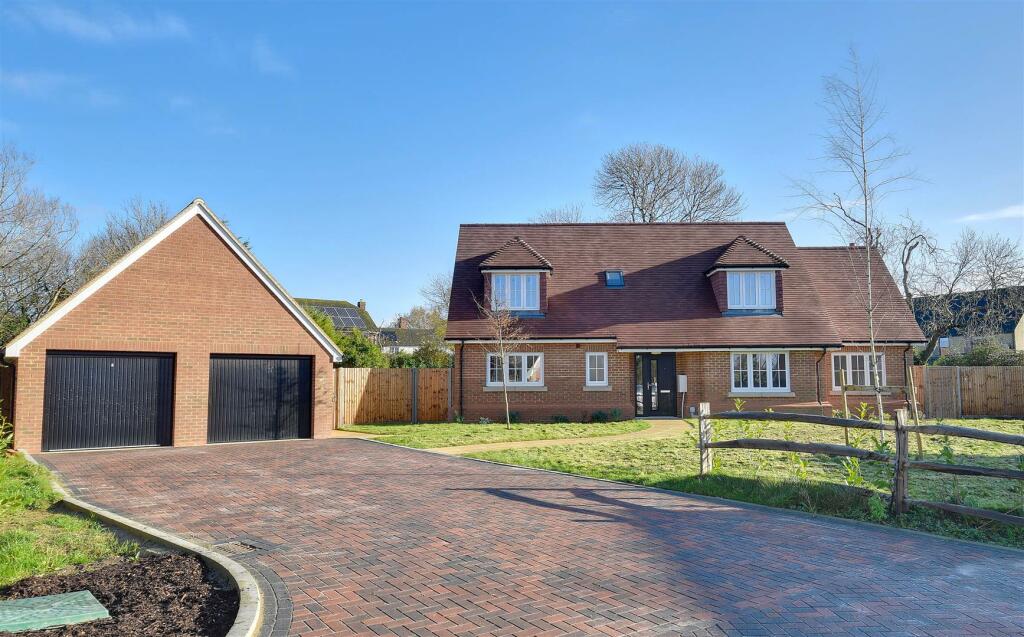
£3.6m Redevelopment of a Kent Property into Three Luxury New Homes
Related
Worth reading on this

Article
Mezzanine Finance: Bridging the Equity Gap on Your Next Development

Article
Financing Developments When Senior Debt Isn’t Enough

Article
Free Development Finance Calculator & Loan Appraisal Guide
Next
Related in this pillar.


Common questions
The questions this product raises.
Should I use stretched senior or mezzanine?
Stretched senior first, where a lender will do it. One lender, one set of legals and no intercreditor agreement is usually cheaper than two facilities, even at a higher headline rate. But compare the blended cost of the whole stack across the programme, because a mezzanine tranche behind cheap senior debt can sometimes cost less in total.
How much equity will I need with mezzanine?
Commonly 10 to 15% of costs, whether the gap is closed by mezzanine behind the senior loan or by a stretched senior loan of 85 to 90% of cost. Most standard senior lenders stop at around 65% of gross development value or 80% of total costs, whichever is lower, so either route can be the difference between doing one scheme and doing two.
Is mezzanine worth what it costs?
When the equity it saves is worth more to you than it costs. Mezzanine reduces the cash you need to put in, which can mean keeping money back for the next site or starting a scheme you could not otherwise fund. It is expensive capital, with its own fees and legals rolled up on top of the interest, so model the scheme with it and without it on the same appraisal and compare the return on your own cash.
What are the risks of using mezzanine?
Less room when things go wrong, and less control. The intercreditor deed sets what the mezzanine lender can do if the scheme slips, and when, and it decides who controls the site in a bad month. Read it as closely as the offer letter, because it is where the real terms are.
Bring us the detail.
Send what you have. We will tell you what is fundable and what needs work before anyone approaches a lender.
Specialist property finance for developers who want the numbers to survive underwriting.
020 4572 4266LinkedIn
Fundingwise Limited is not authorised or regulated by the Financial Conduct Authority, and arranges unregulated finance only. That means lending secured against commercial property, or against residential property that is not, and will not be, occupied by the borrower or an immediate family member as a main residence. We do not advise on or arrange regulated mortgage contracts or regulated bridging loans. Because this finance is unregulated, FCA conduct rules and access to the Financial Ombudsman Service do not apply. Fundingwise Limited is registered in England and Wales, company number 13750788.